When people call for AC Repair in Hutto, they usually don’t start with the drain pan. They start with what they can see or feel: a wet spot on the ceiling, a musty smell, water dripping from a vent, or the air conditioner suddenly behaving like it is “fine” for a while and then not fine at all.
In Central Texas heat, those symptoms often trace back to condensate management. And in more than a few homes I have walked into over the years, the drain pan and the path of the condensate line are the difference between an AC unit that runs reliably and one that keeps tripping, leaking, or icing over.
If you are dealing with moisture, bubbling paint, or unexplained shutoffs, you do not need guesswork. You need a technician who understands how condensate is supposed to move, how it fails, and what to do when it fails.
That is the lane we live in at Jurnee Mechanical Heating & Air Conditioning, and it is why our HVAC repair in Hutto process stays grounded in real-world diagnosis, not guess-and-replace.
The job condensate is doing, and why it fails
Your air conditioner does more than cool. It removes humidity. When warm, moist air passes over the evaporator coil, water forms on the coil surface. That water has to go somewhere, and in a properly working system it ends up in a drain line and safely exits the home.
Most residential systems use a drain pan under the evaporator coil. From there, condensate is collected, guided, and drained through a drain line. Some systems include a condensate pump, a float switch, and a safety drain arrangement. The goal is simple: water should never pool, never overflow, and never find an unintended route into walls, ceilings, or insulation.
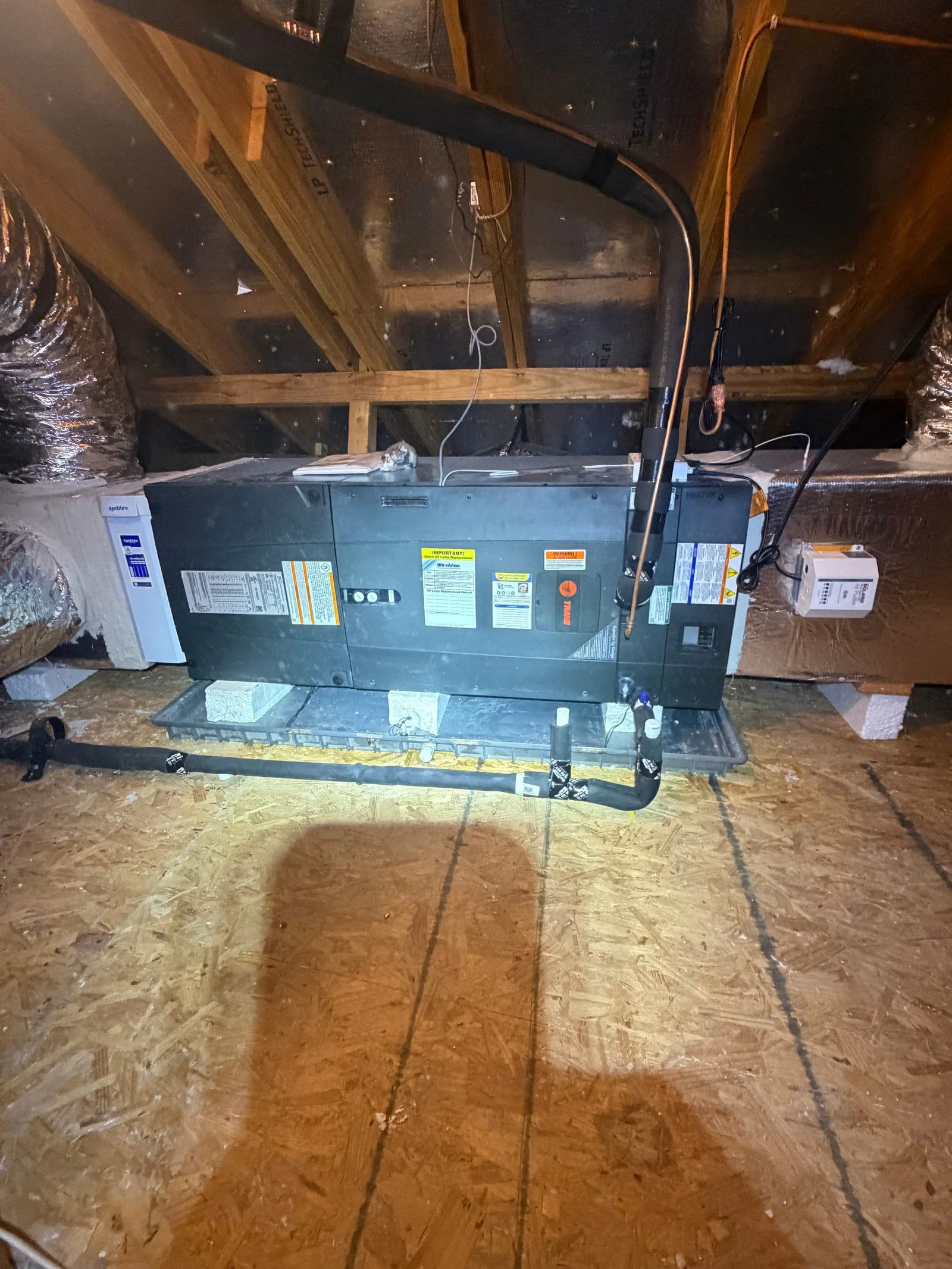
In a perfect world, condensate management is boring. In Hutto, it is not always boring.
Here are the typical ways the process goes sideways:
- A drain line that partially clogs slows the flow just enough to let the pan fill. A clogged secondary drain safety line or a blocked pan drain causes overflow under the right conditions. Improper pitch, loose joints, or algae growth lets water back up. A drain pan that is cracked, improperly seated, or rusted from years of moisture can leak even when the line is clear. Incorrect coil airflow or refrigerant issues can change condensation rate, which can overwhelm a drain system that used to handle it.
Condensate problems are also sneaky because they do not always behave like a constant leak. Sometimes the issue shows up only during certain humidity levels, only during night-time humidity swings, or only after the system has been running a long stretch.
The symptoms that point to drain pan and condensate issues
Water is dramatic, but it is not always loud. Some homes show obvious wet spots. Others show “quiet” warning signs that people ignore until damage is done.
If you are noticing any of these, it is worth having the system inspected sooner rather than later:
- Water pooling around the indoor unit, on the floor, or near the return. A wet ceiling stain, especially near vents that run above the air handler. A musty smell that comes and goes, often when the AC ramps up. The system shutting off with a safety behavior, or tripping the condensate safety switch. Ice forming on the evaporator coil paired with slow drainage or repeated moisture issues.
The reason I list symptoms this way is because each one can have multiple causes, but drain pan and condensate problems are high-probability when you see moisture plus humidity removal happening correctly or intermittently.
One detail I pay close attention to is timing. If you see water after hours of cooling, that often points to gradual clogging or a drain line that cannot keep up. If you see water right away, it may indicate a pan alignment issue, a line that is already blocked, or a damaged pan.
Common drain pan failures I see in real homes
The drain pan is not just a plastic basin. It is part of a system that has to seal, collect, and route water without leaks or restrictions. Over time, a combination of heat, humidity, and chemistry can turn that pan into a source of slow damage.
Here are the most common pan-related problems that show up during troubleshooting.
Cracks, corrosion, and warped fit
A drain pan can crack from age or from being bumped during filter changes, duct work, or installation repairs. Corrosion can eat away at metal components, or it can thin plastic until it no longer seals the way it used to.
If the pan is warped, the condensate can run toward the wrong edge. Even a small misalignment can mean overflow on one side of the pan where the condensate path is least efficient.
Rust and organic growth that clogs the pan drain
Condensate is not sterile water. Over time, organic growth can develop where moisture sits, especially if the system runs with mild temperature cycling. That growth can collect at the pan drain opening and restrict flow.
This does not always create an immediate blockage. Often, it creates a gradual slowdown that reaches the tipping point during peak humidity days.
Improperly connected drain line sections
A drain line is easy to install incorrectly if someone uses the wrong method, wrong fittings, or does not secure joints. Even when the line looks “connected,” a slight separation can leak water into a hidden cavity.
You might not notice it until the system runs long enough to saturate insulation or a cavity space and create a visible stain.
Overflow from blocked or restricted discharge
Sometimes the pan is fine, but the line leaving the pan is not. A restricted discharge can create a back-up where the pan fills faster than the water can exit.
That is why diagnosis cannot stop at “water is in the pan.” The flow path from pan to discharge matters.
Condensate pumps and safety switches: helpful, but only if installed and functioning properly
Many homes use a condensate pump when gravity drainage is not possible. Even when gravity drainage is possible, some systems include float switches for protection.
When these components work properly, they protect you from overflow. When they do not, they can cause the system to shut down or cycle in confusing ways.
A float switch can trip if:
- water level rises faster than the pump can remove it, the pump impeller is sluggish or clogged, the pump discharge line is blocked, the switch tubing is misrouted or restricted, or the system is overproducing condensate due to airflow or refrigerant conditions.
Here is the trade-off technicians deal with: it is tempting to jump to “replace the pump” when the switch trips. But if the underlying cause is a restricted drain line or an airflow problem, https://www.google.com/search?kgmid=/g/11x336_b7p replacing the pump just resets the clock. You may get temporary improvement, then the same failure returns.
If you want a persuasive, practical path forward, it is this: the repair should address the bottleneck, not just the symptom.
Why Hutto homes show condensate issues more often than people expect
Central Texas humidity is no joke, and Hutto summers can stretch for months. That matters because condensate volume is tied to humidity and system run time. The more the AC runs during sustained high humidity, the more water the system has to handle.
Some homes also face additional contributors:
- Ductwork that does not deliver stable airflow to the evaporator coil, which can change coil temperature and condensate formation. Filters that are overdue, which can restrict airflow and cause the coil to operate under conditions that increase condensation and sometimes icing. Improper return air pathways that starve the system, again changing coil behavior. Attics or mechanical closets with uneven temperatures that affect drain line freezing risk in shoulder seasons, and affect algae or buildup in summer.
None of these issues guarantee a condensate leak, but they raise the odds of it developing sooner. That is where an experienced HVAC contractor in Hutto earns their keep, because the fix often involves airflow checks and system adjustments, not just cleaning one line.
A quick, practical diagnostic you can do before the technician arrives
I am not asking you to remove panels or mess with electrical components. But you can gather helpful clues without turning the problem into a bigger mess.
If you want a short, safe way to observe patterns, look for these before calling:
When the wet spot appears, especially whether it follows long run times or comes right away. Whether water is present at the indoor unit area, not just a distant ceiling stain. Whether the smell is musty, sour, or “wet drywall,” which can suggest prolonged moisture. Whether the system cycles off more often than usual during high humidity days.Those details are useful because condensate behavior often points directly to whether the problem is gradual clogging, drain pan leakage, or safety switch operation.
What a real AC repair visit should include
A quality AC repair in Hutto visit for condensate problems should not be a single action like “snake it and go.” The best results come from verifying both where water is going and why it got there.
From my experience, the best technicians do a sequence that matches how condensate actually works. They check the pan and coil area, verify the drain path, confirm pump or safety components operate correctly if present, and ensure airflow and system operation are not producing more condensate than the drain system can manage.
A strong visit often includes:
- inspecting for standing water in the pan and checking the pan condition for cracks or misalignment, checking the drain line flow and discharge path to ensure it is not restricted, verifying condensate pump operation, float switch function, and proper tubing connections if equipped, checking airflow and filter condition, since airflow affects coil temperature and condensation rate, and confirming the system runs through a cooling cycle without water backing up.
If a contractor only treats the visible leak, the home can still end up with recurring moisture because the root cause remains.
The drain line cleaning debate: effective when done right, not a cure when the root cause remains
Drain line cleaning can help a lot. I have seen systems where simple partial blockage or organic buildup was the entire issue. In those cases, restoring flow can stop overflow quickly.
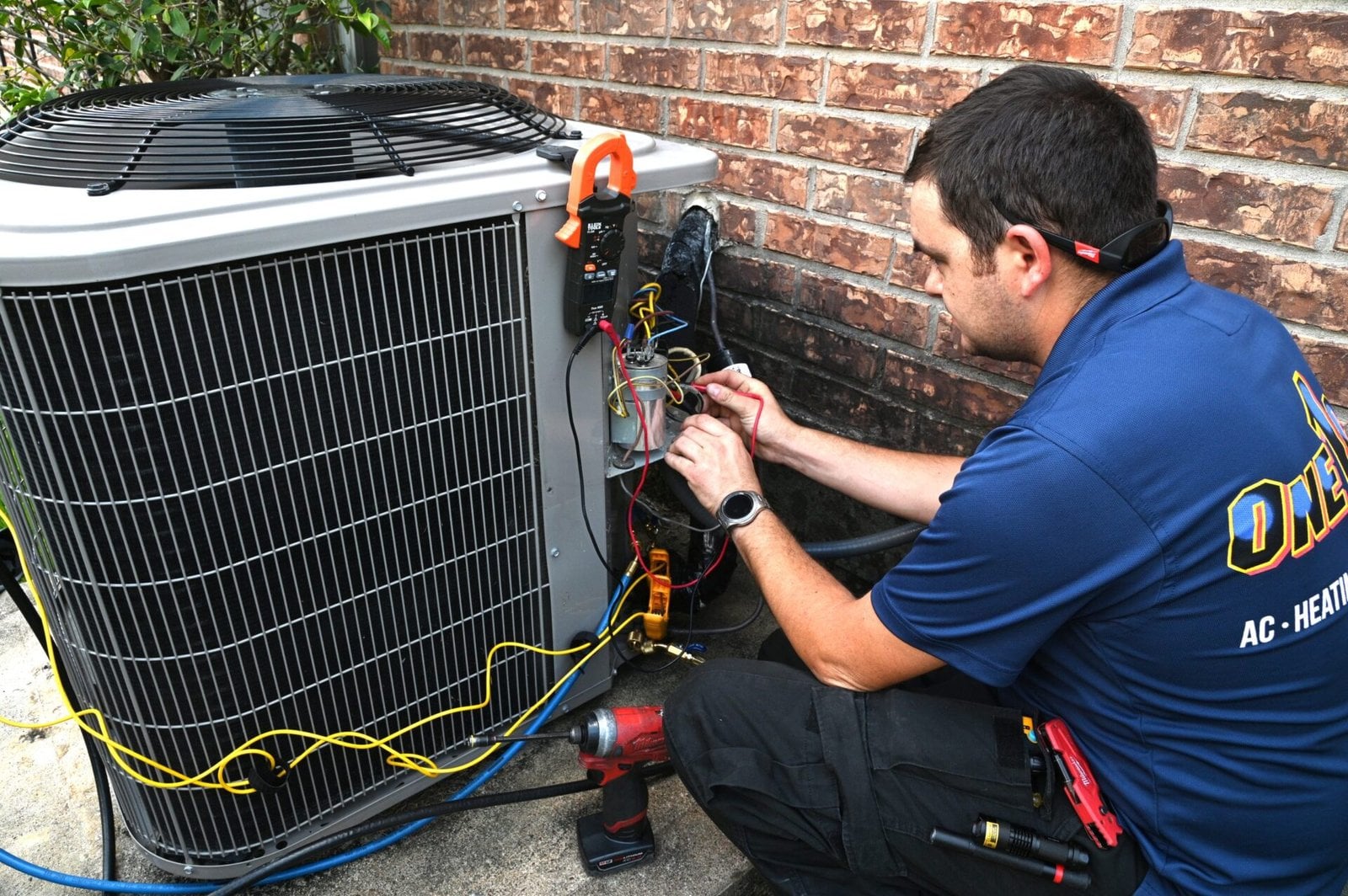
But there is a hard lesson from the field: if the condensate pan is cracked, if the line is installed with poor pitch, or if joints are leaking, cleaning the line will not fix what is actually leaking.
Also, some “clogs” are not real clogs. They are sediment at bends, partial restrictions that only show up under sustained run time, or growth that reform quickly if the underlying environment keeps producing the same moisture and temperature conditions.
That is why a persuasive approach is to pair cleaning with verification. You want the technician to prove the flow path works under real operating conditions, not just that a tool went through a line.
When refrigerant and airflow are part of the condensate problem
Condensate issues can be downstream of something else. If the evaporator coil temperature is off due to airflow restrictions or refrigerant imbalance, the coil may produce condensate differently than intended.
Airflow problems often look like:
- dirty filters, restricted returns, supply air issues like blocked vents, or duct leaks that starve the coil.
Refrigerant problems can also change coil behavior. Low refrigerant or other conditions can cause abnormal coil temperatures, and that can contribute to icing and then thawing, which can create unexpected water movement and drainage load.
When condensate problems pair with symptoms like reduced cooling performance or unexpected ice formation, it is worth treating it as a system diagnosis, not only a plumbing problem. That is where the scope of HVAC maintenance in Hutto matters, because maintenance catches airflow drift and component degradation before condensate becomes a leak event.
Why “more chemicals” is not the answer
You might hear suggestions about using additives or dumping chemicals into drain lines. I understand the motivation. People want a quick fix, especially when they are already dealing with a mess.
But I will be direct: chemicals do not substitute for proper diagnosis and mechanical verification. Some products can damage parts, aggravate tubing over time, or create issues with disposal or residue.
Even if a chemical helps temporarily, you still need to confirm that the pan is intact, the drain is properly routed, and the system is not overproducing condensation. Otherwise, the problem returns. Often, it returns right when the humidity peaks again.
A more reliable path is inspection first, then targeted action based on what is actually failing.
How AC installation choices can prevent condensate callbacks later
This is a less discussed topic, but it matters. With AC installation in Hutto, condensate management should be planned as part of the mechanical design. That includes proper drain line routing, correct pitch, appropriate fittings, and ensuring the drain pan is seated and leveled correctly.
I have seen new installs where the AC worked fine for a short window, then problems appeared as humidity increased and run times lengthened. When you trace it, the install choices showed up later as slow leaks, back-ups, or safety switch trips.
This is where a reputable installer earns trust. Not by promising perfection, but by building the system so it can handle peak humidity without relying on luck.
Preventing recurrence with AC maintenance that actually targets the problem
Most people think maintenance means changing a filter and checking the thermostat. Those are important, but condensate systems benefit from maintenance that considers moisture pathways.
In practical terms, maintenance should include:
- checking the drain pan area for proper drainage and visible condition, inspecting the condensate line for restrictions or signs of buildup, confirming pump operation and safety switch behavior if present, and verifying airflow across the evaporator coil so condensation rates remain within what the drain system can manage.
If you maintain the system this way, you reduce the odds of those “it started leaking again” moments, because you catch deterioration before it becomes overflow.
A short checklist for deciding whether you should call now
If you are on the fence, these are the trigger points I use in the field. When any of them are true, I recommend calling promptly.
Visible water pooling or recurring wet spots near the indoor unit or ceiling. Musty odors that match a cooling cycle. The system seems to shut off or behave differently during humid weather. You have to repeatedly reset a safety switch or power cycle to keep it running. You notice bubbling paint or staining that spreads over time.Condensate damage can become more expensive quickly, because wet drywall, insulation, and hidden framing add complexity. A fast response often keeps the repair focused on the AC, not the building.
Why choosing Jurnee Mechanical Heating & Air Conditioning helps
Condensate problems are frustrating. They feel personal because the water shows up in places you did not expect. But the repair should still be methodical, calm, and rooted in cause and effect.
When you contact Jurnee Mechanical Heating & Air Conditioning, you get a team that takes condensate and drain pan issues seriously, and treats them like part of a full HVAC system. We look at the coil, the pan, the line, the pump or safety components if installed, and the airflow conditions that drive condensation volume.
That approach matters because it helps prevent repeat failures. It also helps you avoid unnecessary replacement. Sometimes the fix is as straightforward as clearing a restriction. Sometimes it is a pan repair, correct drain routing, or correcting a fit problem. And sometimes the condensate leak is downstream of airflow or system performance issues that need attention.
Either way, you get a plan that makes sense for your home, not just a generic response.
Get your AC back to reliable cooling in Hutto
If you are seeing water, smell, or inconsistent shutoffs, do not wait for the next heat wave to turn a manageable issue into a cleanup project. AC Repair in Hutto for condensate and drain pan problems is often fixable with the right diagnosis, and the right fix prevents the damage that follows overflow.
Reach out to Jurnee Mechanical Heating & Air Conditioning for HVAC repair in Hutto and guidance you can trust. We help homeowners protect their indoor air quality, prevent moisture damage, and keep their cooling system running like it should.
If you want, tell us what you are seeing, where you see it, and when it happens. Those details usually cut straight to the cause.
Jurnee Mechanical
209 E Austin Ave, Hutto, TX 78634
(737) 408-1703
[email protected]
Website: https://jurneemechanical.com/